

Not sure what needs attention?
Whole Home Safety Assessment
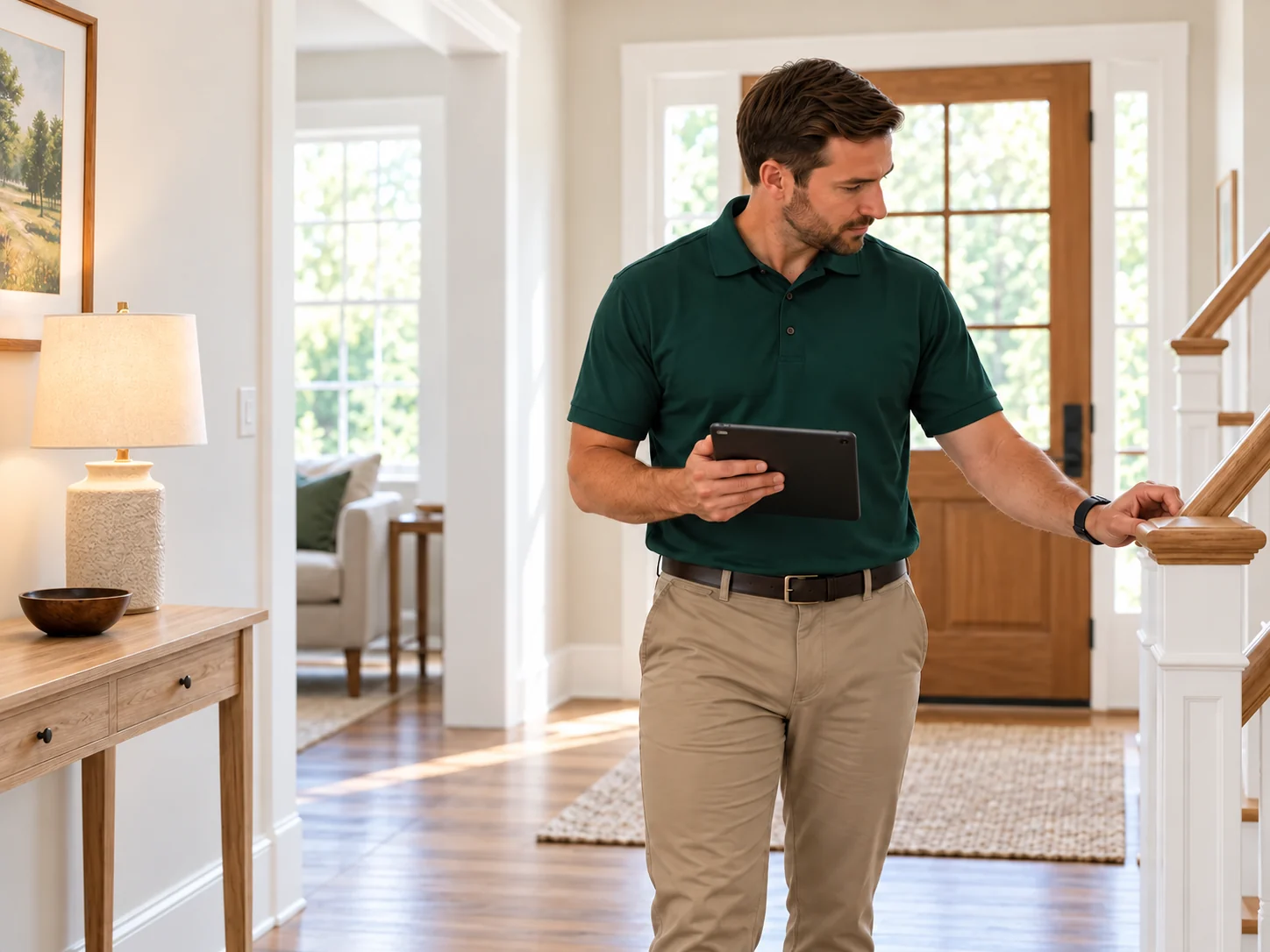
Review the home room by room and leave with a prioritized written plan.
$295
See the Assessment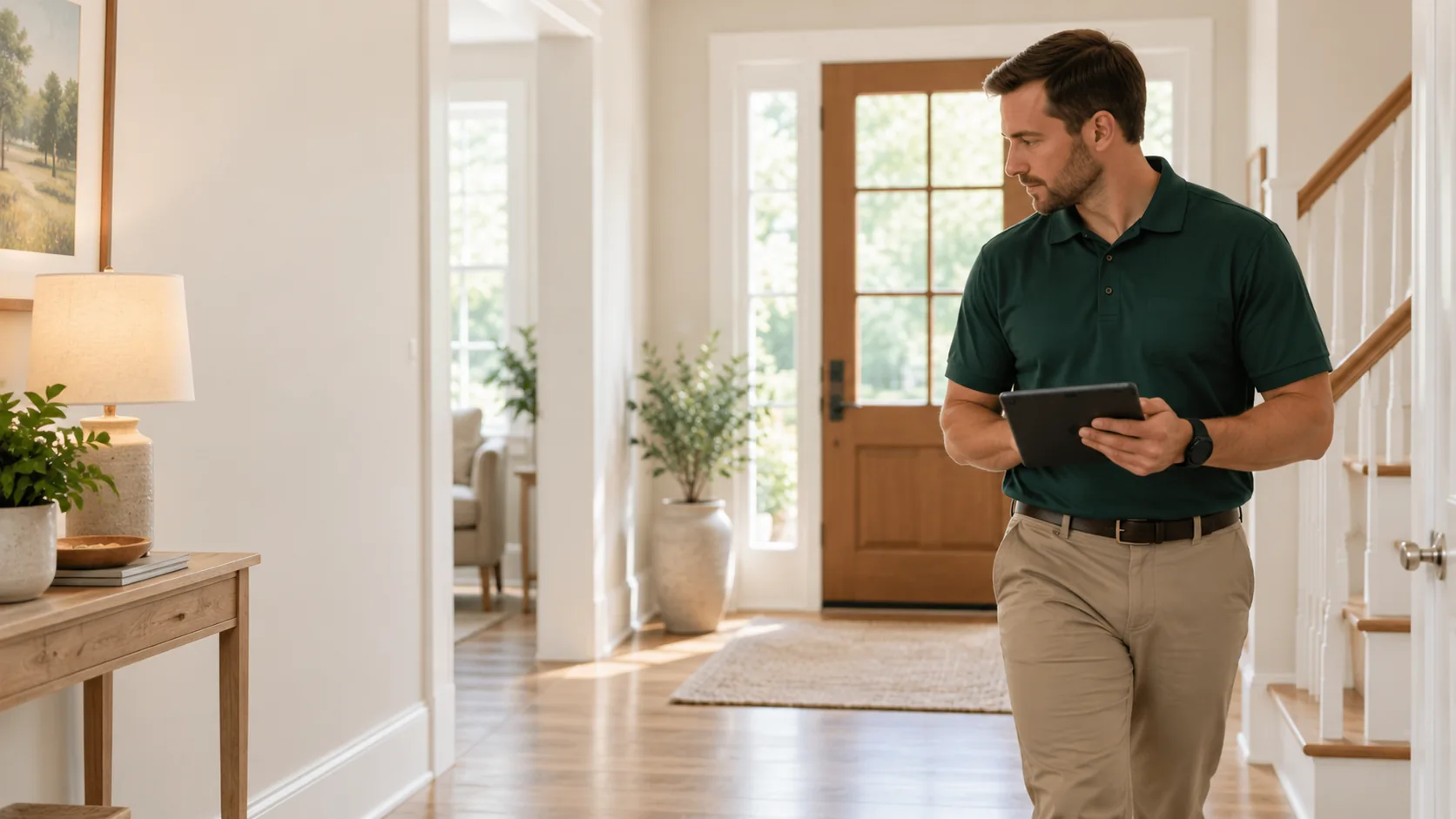
Assessments, modifications & specialized visits
Whether you’re planning ahead, helping a parent or ready for a specific change, we’ll help you find a comfortable starting point. Explore our home safety assessments, home modifications for seniors and aging in place services across the Triangle.
Home safety service options
Not sure what needs attention?
Review the home room by room and leave with a prioritized written plan.
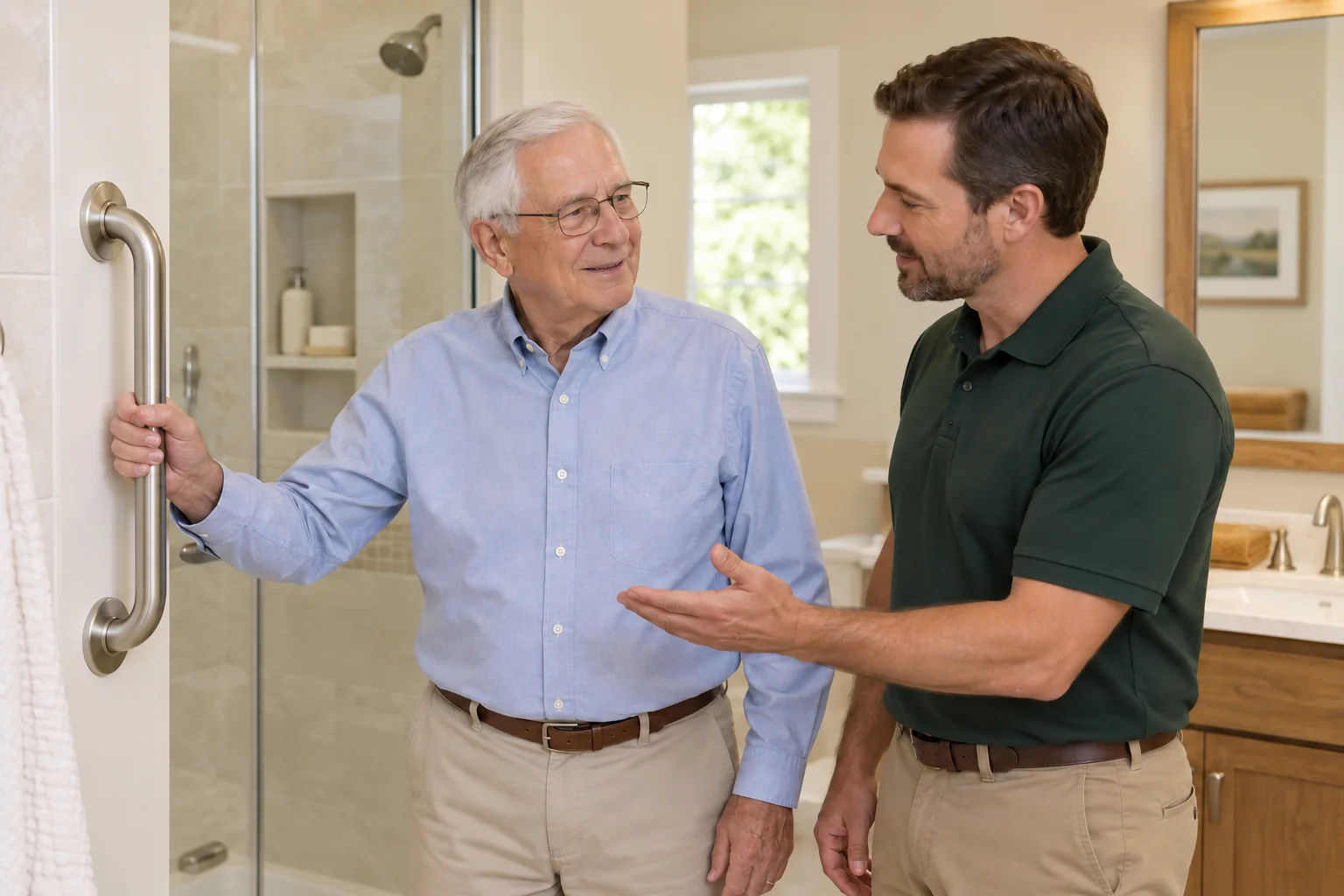
Know what needs changing?
Request a focused service directly. A whole home assessment is not required first.
Browse Modifications
A transition or ongoing support?
Quarterly maintenance, return home support, and annual follow-up visits as needs change.
View Ongoing SupportStill not sure where to start?
What has become harder at home? Tell us what is on your mind. We can help you choose a service without having every answer first.
Certified Senior Home Safety Specialist® (SHSS)
Home modifications for seniors
A steadier handhold. An easier entrance. A kitchen that is simpler to use. Find the change that matters to you, then see what the service includes and request help.
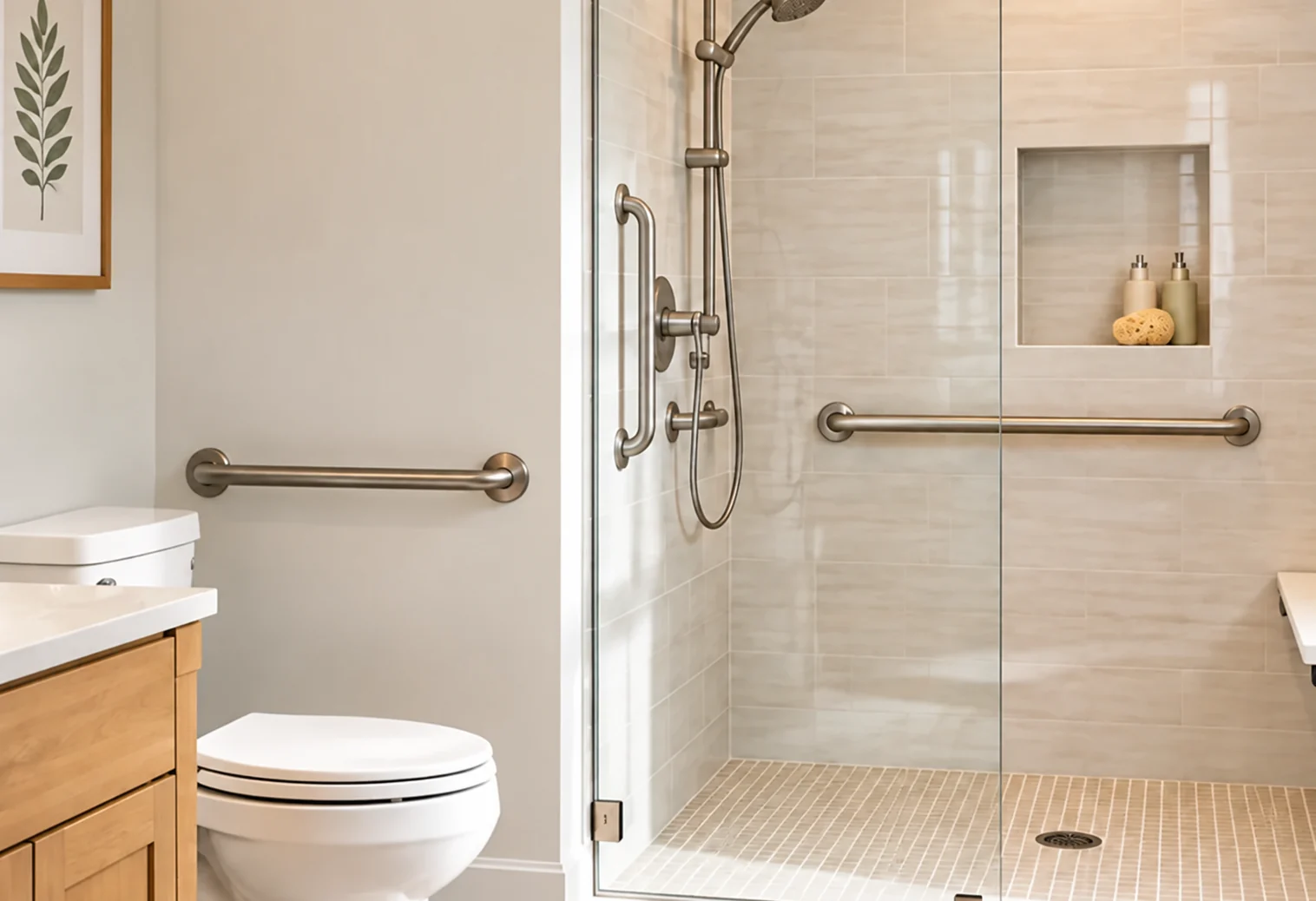
Stepping into the shower, getting up from the toilet, turning to reach a towel: a fixed grab bar gives you something solid to hold. Tell us where, and we’ll suggest a simple first step.
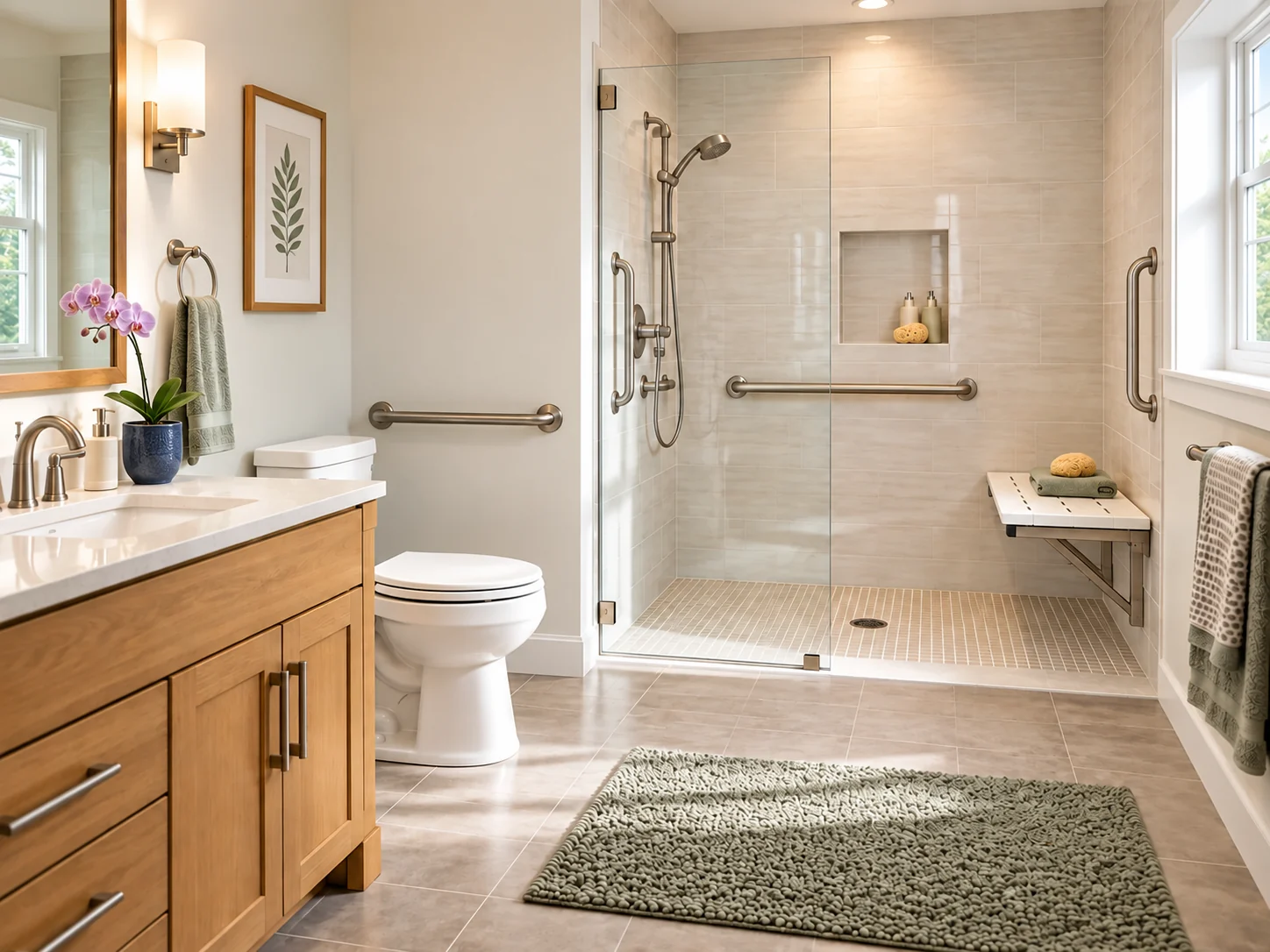
The bathroom is where small worries add up: a slippery floor, a tiring shower, a dark walk at night, or getting up from the toilet. Tell us which one is on your mind, and we'll suggest a simple first step.
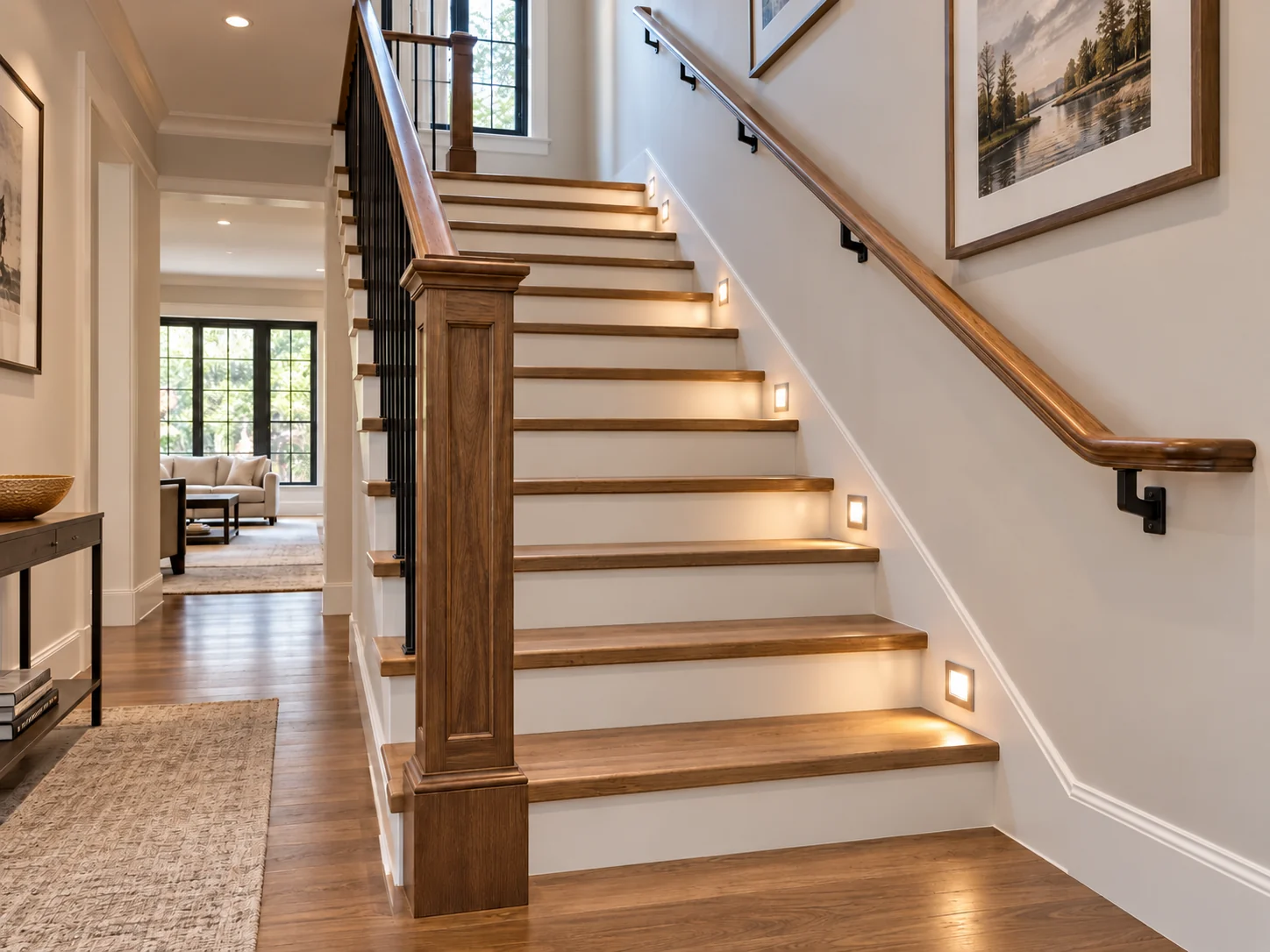
A familiar staircase can become harder to use when the steps fade into the shadows or the rail no longer feels firm. Tell us which part of the trip worries you, and we’ll help you choose a practical first step.
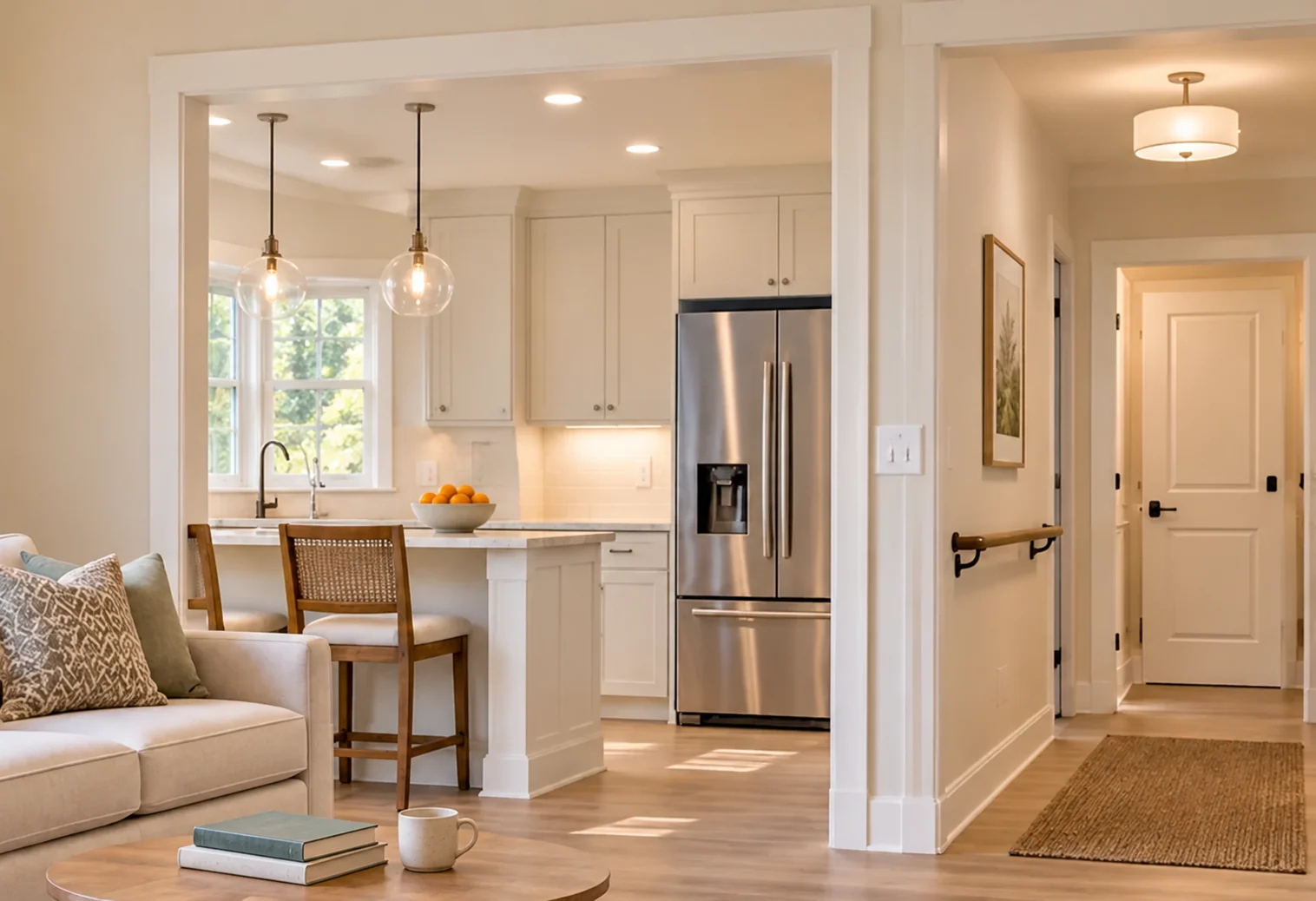
The kitchen holds so much of the day: making tea, washing a dish, reaching for a familiar pan. If one part has become awkward, tell us where. We’ll help you choose a practical change that fits the kitchen you know.
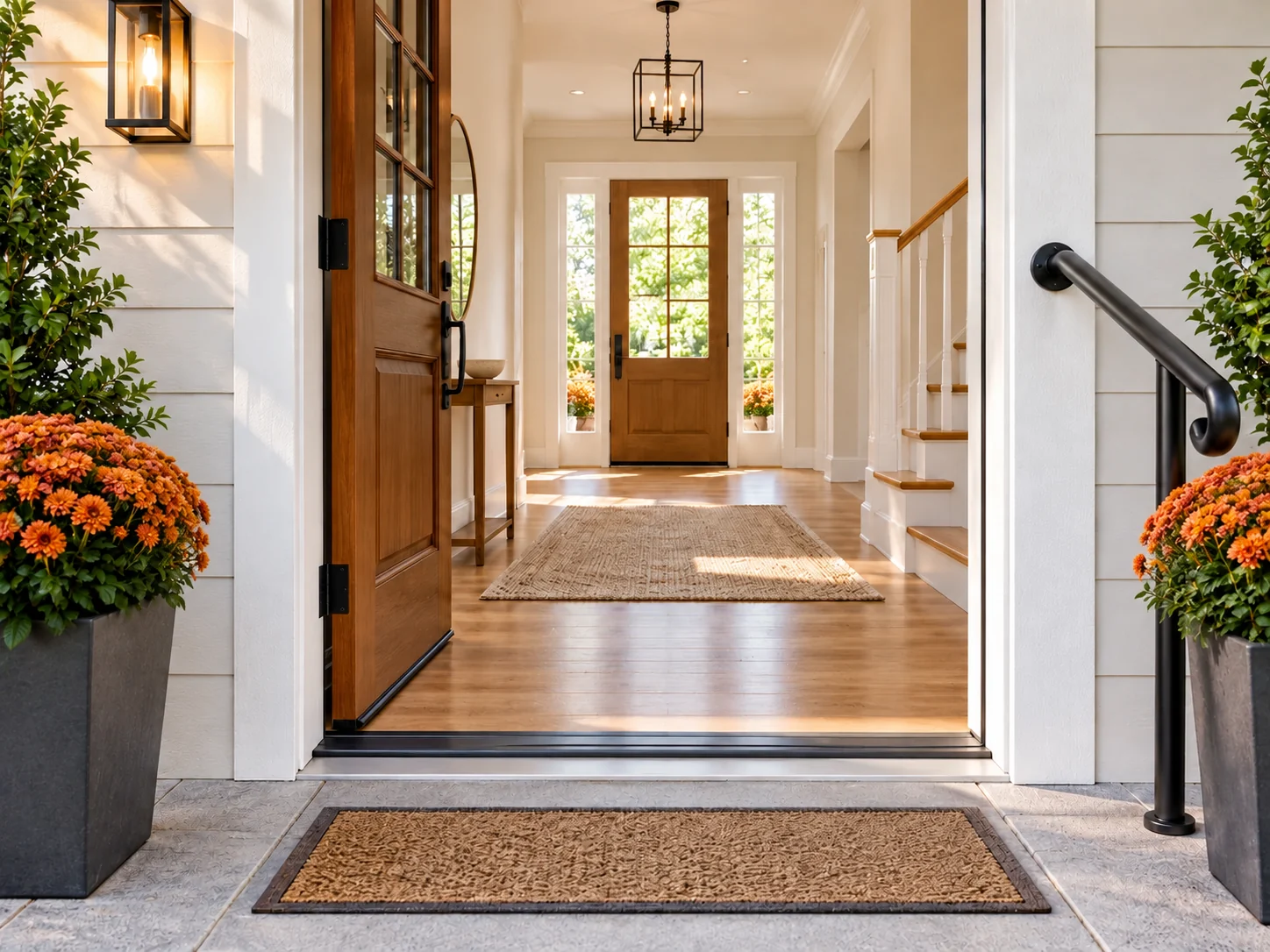
Easy-grip levers, keypad deadbolts, small doorway ramps, gentle storm-door closers, lighting and step handrails at your most-used entrance.
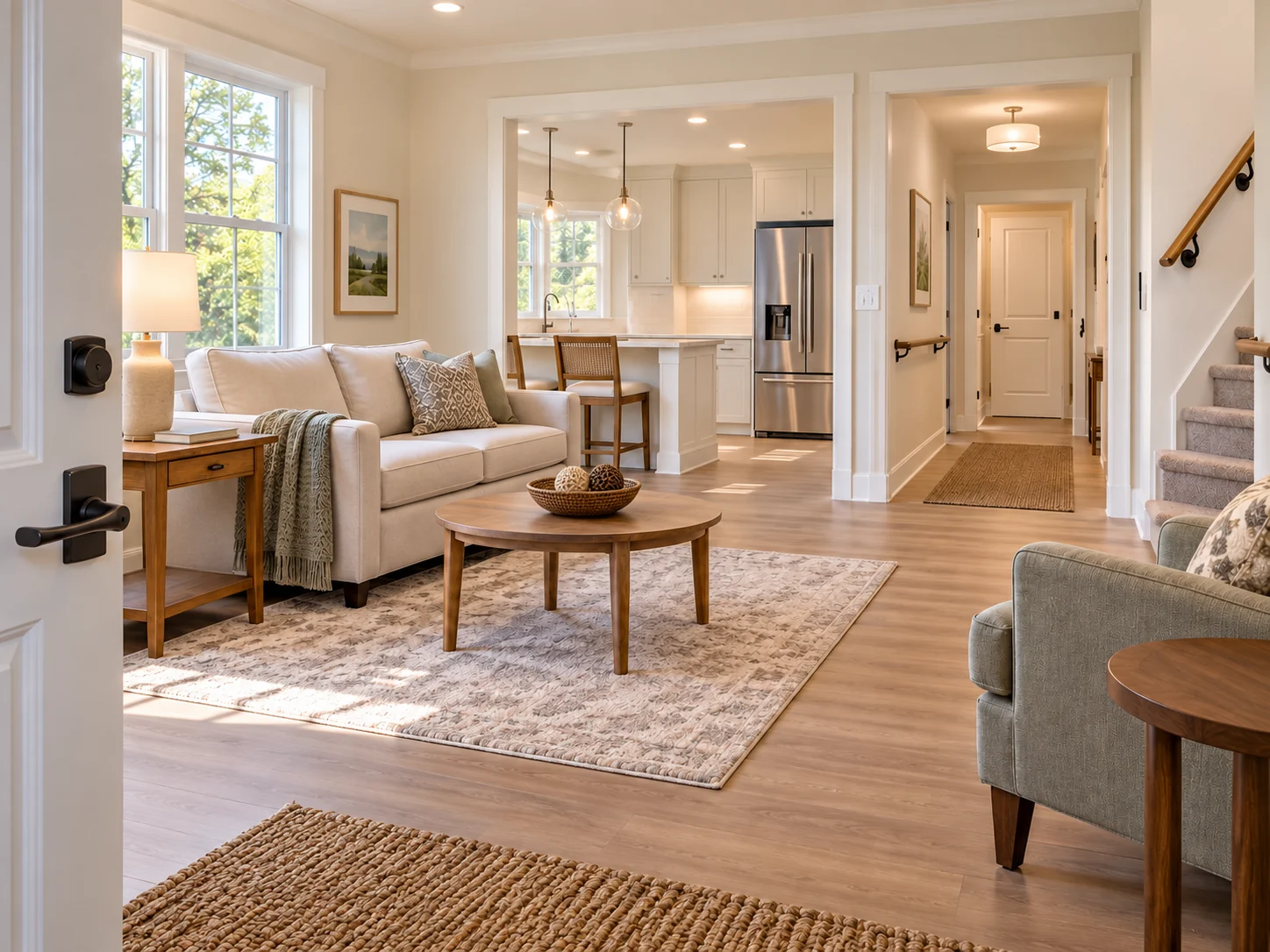
Not every worry fits one room: a doorknob that's hard to turn, a dark walk to the bathroom at night, a rug that slides, a chair that's hard to get out of. Tell us what you've noticed, and we'll suggest a simple fix with the price up front.
Coordinated home safety modifications
If you already know several areas need attention, a package brings common home safety modifications together in one coordinated starting scope.
Specialized visits & ongoing support
Choose the support that fits this moment: a return home visit, a yearly safety review or recurring quarterly help around the home.
Quarterly support
Standard seven-point safety maintenance checks each quarter, with no contract or automatic billing.
Transition home
Focused help before or shortly after a return from hospital, rehabilitation, or skilled nursing.
Annual follow-up
Revisit prior improvements and new concerns as the home, routines, and needs change.
Home safety service FAQs
Learn when an assessment adds value, when you can request a modification directly, what falls outside our scope, and how our role differs from a general handyman.
Triangle Home Safety helps older adults and families make home safer and easier to use. We offer nonclinical home safety assessments and minor aging in place modifications. Based in Apex, we serve Cary, Raleigh, Morrisville, Holly Springs, Durham, Chapel Hill and nearby Triangle communities.
Services include whole home safety assessments, grab bar installation, bathroom safety improvements, entry and threshold improvements, stair and handrail safety, return home visits, and coordinated minor home-safety upgrades. When a project is better handled by an occupational therapist, electrician, plumber, or remodeling contractor, we explain that rather than stretching beyond our scope.
Home modifications can help a person continue using familiar rooms and carrying out daily routines as their needs change. A handhold near a transfer, a clearer route, or better lighting may make a specific task easier to manage.
The right starting point depends on the person, the home, and the activities they want to keep doing. A written priority list will help families plan changes in stages rather than treating every possible improvement as equally urgent.
Start with the rooms and routes used every day. Look for loose rugs, cords or clutter, poor lighting, slippery surfaces, missing support and entrances or stairs that have become harder to manage. Ask the person which tasks feel difficult. Our Free Home Safety Check can help you organize those observations.
Prioritize concerns by the potential harm, how often the area is used and whether a simple change can address the problem. A Whole Home Safety Assessment provides a written list of what needs attention now, soon and later. Questions about balance, transfers or the medical causes of a fall belong with an OT, PT or healthcare professional.
Common examples include grab bars, shower seating, bathroom traction improvements, better lighting and nightlights, removing trip hazards, secure stair handrails, safer entrances and thresholds, easier-to-use door hardware, reachable kitchen storage, and clear routes through living areas.
The most useful changes depend on the person’s routines and the home.
No. If you know which grab bar you want installed, you can request the work directly. A Whole Home Safety Assessment is helpful when several areas need attention and you want a written plan.
Original Medicare generally does not pay for physical home modifications such as grab bars, ramps, or doorway changes. Some Medicare Advantage plans may offer certain supplemental home-safety benefits; coverage and eligibility vary, so ask the plan before arranging work.
Our home modification assistance guide explains other funding options and questions to ask before relying on a benefit or program.
Major structural remodeling and work requiring a licensed trade are evaluated separately and referred when appropriate.
Examples can include significant electrical work, plumbing alterations, major structural changes, full bathroom remodeling, and other work that should be completed by a properly licensed specialist. We explain those boundaries clearly so families know who should handle each part of the plan.
Triangle Home Safety specializes in home modifications for seniors, with a focus on accessibility, safety and aging in place. Our Senior Home Safety Specialist® (SHSS) certification through Age Safe® America adds focused training in home safety for older adults. A general handyman usually handles a broad range of household repairs; aging in place training and certification vary by provider.
We help identify home safety concerns and recommend suitable minor changes, including grab bars, handrails, clearer entrances and easier-to-use hardware. If a concern needs an occupational therapist, licensed trade or remodeler, we explain which professional should be involved.