
Start with the barrier, not the product
Searches for “senior home modifications” and “aging in place home modifications” often produce long lists of products. Those lists can be useful, but they can also make every home look as if it needs the same solution. A better starting point is the routine that has become harder: stepping into a shower, getting up at night, carrying something on the stairs, opening a stiff door, reaching a frequently used cabinet, or crossing a threshold with a mobility device.
The most effective plan usually combines the smallest appropriate home changes with the right professional help when a clinical, structural, electrical, or plumbing issue is involved.
10 common aging in place home modifications
- Fixed grab bars. Secure support can help with specific movements around showers, tubs, toilets, or other locations when the mounting conditions and intended use are clear.
- Shower seating and traction. A stable seat, appropriate non-slip surface, and a shower setup that reduces awkward stepping can make bathing easier to manage.
- Stair and handrail improvements. Secure rails, better visibility, lighting, and attention to the travel path matter in homes where stairs are part of everyday life.
- Better lighting. Brighter, more even lighting can help at entries, stairs, hallways, bathrooms, kitchens, and the bedroom-to-bathroom route used at night.
- Entry and threshold changes. Small level changes, difficult door hardware, low visibility, and slippery exterior surfaces can create repeated friction at the most-used entrance.
- Lever handles and easier hardware. Lever-style door hardware and D-shaped cabinet pulls may be easier to operate for people who find twisting or pinching uncomfortable.
- Kitchen storage adaptations. Pull-out shelves, frequently used items moved into easier reach zones, and task lighting can improve kitchen usability without a full remodel.
- Clearer pathways and floor-surface improvements. Rugs, cords, furniture, clutter, and abrupt surface changes can narrow common travel routes or create trip hazards.
- Toilet-area usability improvements. The right support, seat height, lighting, and clear space depend on the user and bathroom layout. A clinical recommendation may be useful when transfers are difficult.
- Larger access solutions when needed. Ramps, stairlifts, lifts, widened openings, roll-in showers, and major structural work can be appropriate for some households, but they are larger decisions and often fall outside Triangle Home Safety’s direct installation scope.
Which home modifications help older adults the most?
There is no universal “best” modification. The strongest candidates are usually the changes connected to something that happens repeatedly: entering the home, bathing, using the toilet, using stairs, moving through a dark hallway, or reaching the same kitchen storage every day. Frequency matters because a small barrier repeated several times a day can create more practical difficulty than a larger issue encountered once a month.
When a fall, near-fall, balance change, new mobility device, vision change, or other health issue is part of the concern, the home environment may be only one piece. A medical provider, physical therapist, or occupational therapist may need to address the person-specific part of the problem.
Aging in Place on a Budget: Which Modifications Come First?
A smaller budget is a reason to prioritize, not a reason to buy the cheapest item on a checklist. Start with the highest-use barriers and changes that can be completed without major construction. Depending on the home, that may include better bulbs or fixtures, clearing or rerouting pathways, improving traction, changing difficult hardware, adding task lighting, or installing a properly selected fixed grab bar where reliable support is needed.
Before paying for a full bathroom or kitchen remodel, ask whether the actual problem can be solved with a focused modification. If the goal truly requires structural work, the larger project may be justified—but the scope should follow the need, not the other way around.
What about a two-story house?
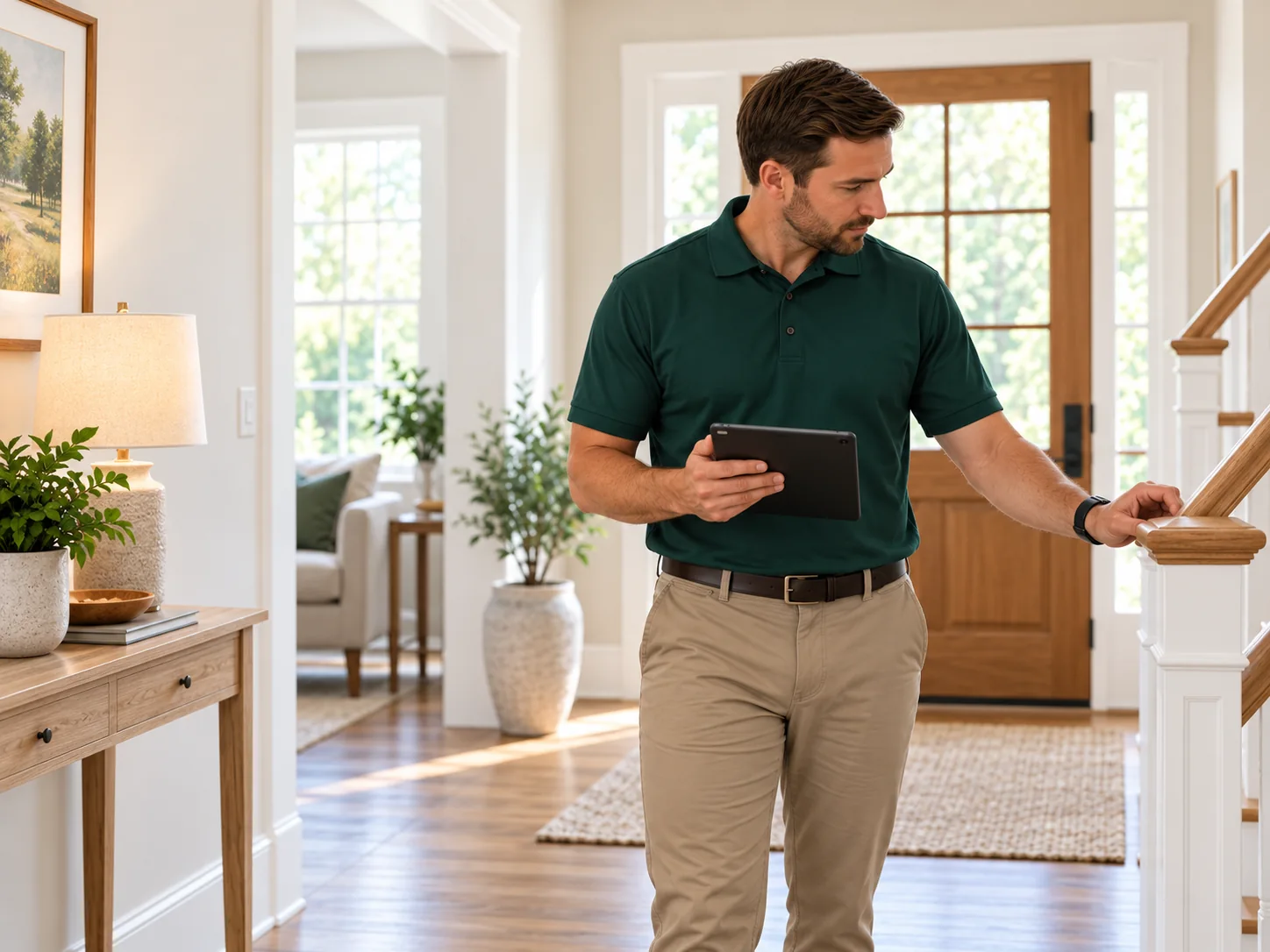
For a two-story home, start by understanding how often the stairs are used, whether the rail is secure and usable, how well the stair edges are visible, and whether important daily routines can happen on the main level if needed. Better lighting, secure rails, and clearer stair approaches are different decisions from a stairlift or home elevator. When a lift is being considered, compare the person’s needs, the home’s layout, the expected duration of use, maintenance, backup plans, and the cost of other housing or remodeling options.
Aging in Place examples: prioritize in layers
A practical framework is to sort home changes into four groups:
- Address now: barriers or hazards affecting essential daily routines.
- Address soon: useful improvements that matter but are not urgent today.
- Future planning: larger adaptations that may become useful if needs change.
- Specialist recommended: items that belong with an OT, medical provider, licensed trade, engineer, or remodeler.
This keeps an aging in place plan from becoming one large construction list and gives families a way to phase spending.
Can home modifications prevent falls?
Home modifications can reduce environmental hazards and provide more useful support, but no home change can guarantee fall prevention. National Institute on Aging and CDC guidance emphasize practical steps such as clearer pathways, better lighting, secure handrails, grab bars, and attention to common trip hazards. Falls can also relate to health, medication, balance, vision, strength, and other factors that home modifications do not diagnose.
When a whole-home assessment is useful
If the need is already clear—for example, a family knows it wants a fixed grab bar or easier kitchen hardware—a direct service request may be enough. A whole-home assessment makes more sense when several rooms are involved, the family is not sure what to prioritize, an adult child is coordinating from a distance, or the household wants a written plan before spending on multiple changes.
Triangle Home Safety focuses on practical, nonclinical environmental changes. We do not recommend a major remodel simply because someone is older, and we do not represent clinical evaluation, licensed electrical or plumbing work, stairlift installation, or complex structural construction as if those were the same service.